






Points of Interest
Immerse yourself in Soria’s rich cultural heritage and discover the following points of interest.
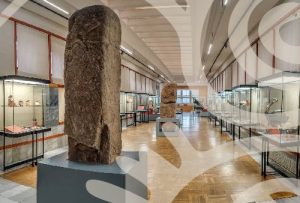
TIERMES MUSEUM
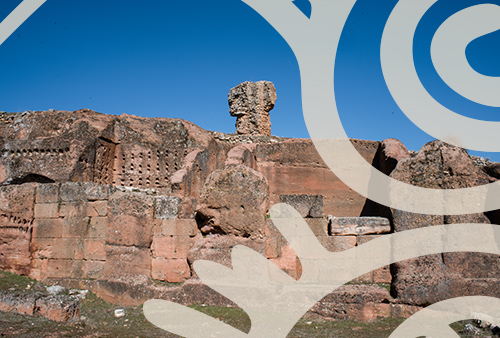
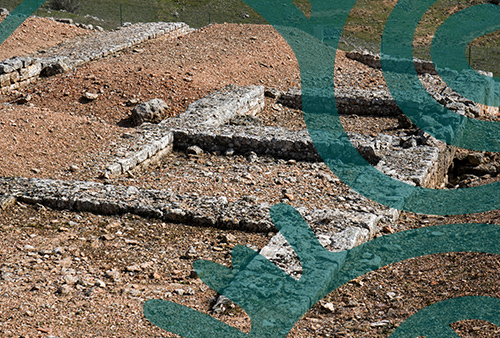
In the heart of the Sierra de Pela, surrounded by striking red sandstone cliffs, lies the Archaeological Site of Tiermes, one of the greatest treasures of Celtiberian Soria. Here, you can walk through the remains of a Celtiberian-Roman city designated as a Site of Cultural Interest, discovering archaeological evidence from both the Roman and medieval periods.
The site’s dedicated museum offers a clear and engaging introduction to the history of Tiermes, bringing its remarkable past to life for visitors of all ages. A unique cultural experience in one of Spain’s most extraordinary archaeological landscapes.
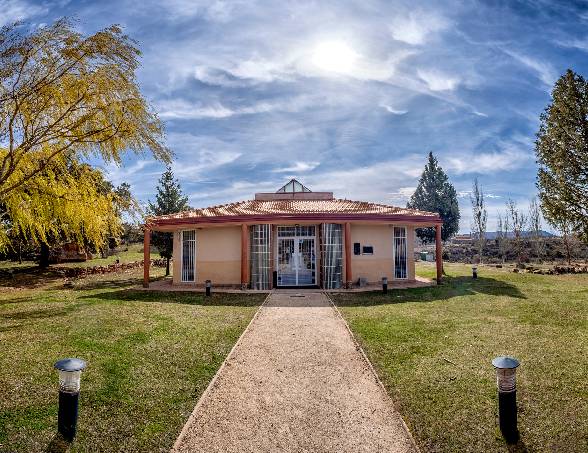
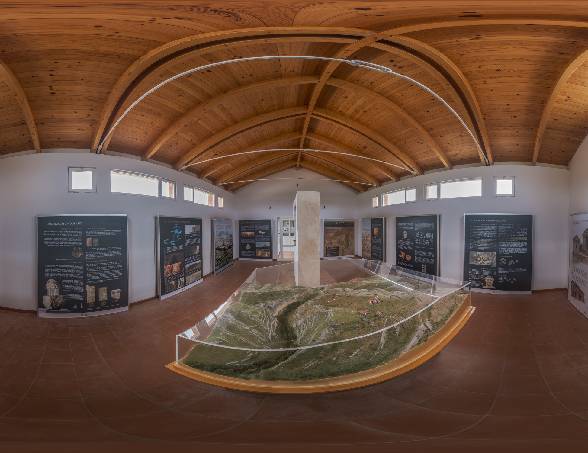
Uxama Archaeological Interpretation Centre
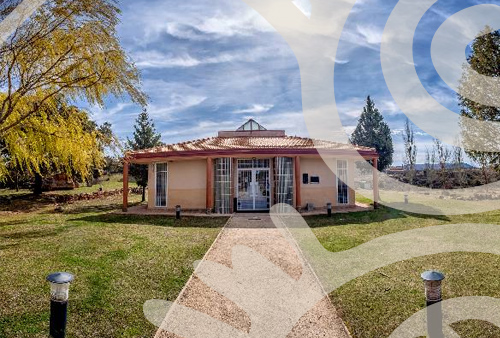
At the foot of the impressive ancient city of Uxama Argaela, in the historic town of El Burgo de Osma, the Uxama Archaeological Interpretation Centre offers the perfect introduction to your visit. Here, you will begin a journey through the Celtiberian, Roman, and medieval heritage that shaped this remarkable site.
From the hilltop, the medieval watchtower overlooks the magnificent Cathedral of Our Lady of the Assumption, creating a striking dialogue between centuries of history. An engaging and accessible cultural experience for visitors of all ages.
NUMANTINE MUSEUM
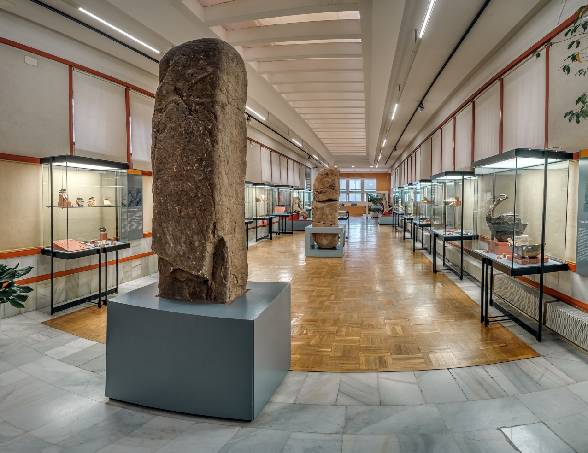
The Numantine Museum of Soria traces its origins to the excavations at Numancia and has safeguarded the region’s archaeological treasures since 1916. Its outstanding collections include the famous Numantine painted pottery, along with remarkable artefacts spanning from the Palaeolithic to the Middle Ages.
Through its modern and accessible galleries, visitors can explore the rich archaeological heritage of sites such as Uxama Argaela and Tiermes. The museum also manages important historic monuments, including the Monastery of San Juan de Duero. An essential visit for anyone wishing to discover the history of Soria in an engaging and memorable way.
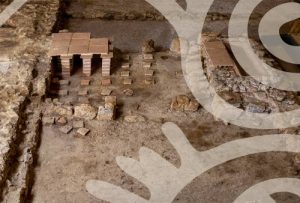
LA DEHESA ROMAN VILLA
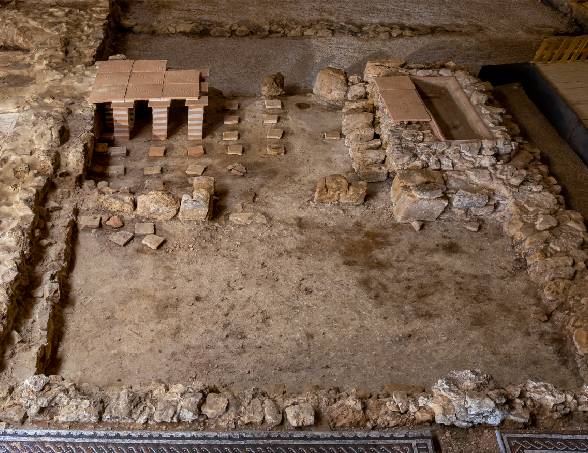
At La Dehesa Roman Villa, you can discover what life was like in a grand Roman residence, surrounded by original mosaics and elegant rooms arranged around a columned courtyard. Carefully preserved and open to visitors, the site offers guided tours that bring Roman history to life for all ages.
Complete your journey with a visit to the nearby Los Quintanares Roman Villa and the interactive Magna Mater Museum, where hands-on activities and virtual reality experiences immerse you in the fascinating world of Roman Hispania. A unique and engaging cultural experience in the heart of Soria.
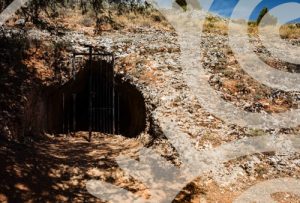
UCERO AQUEDUCT
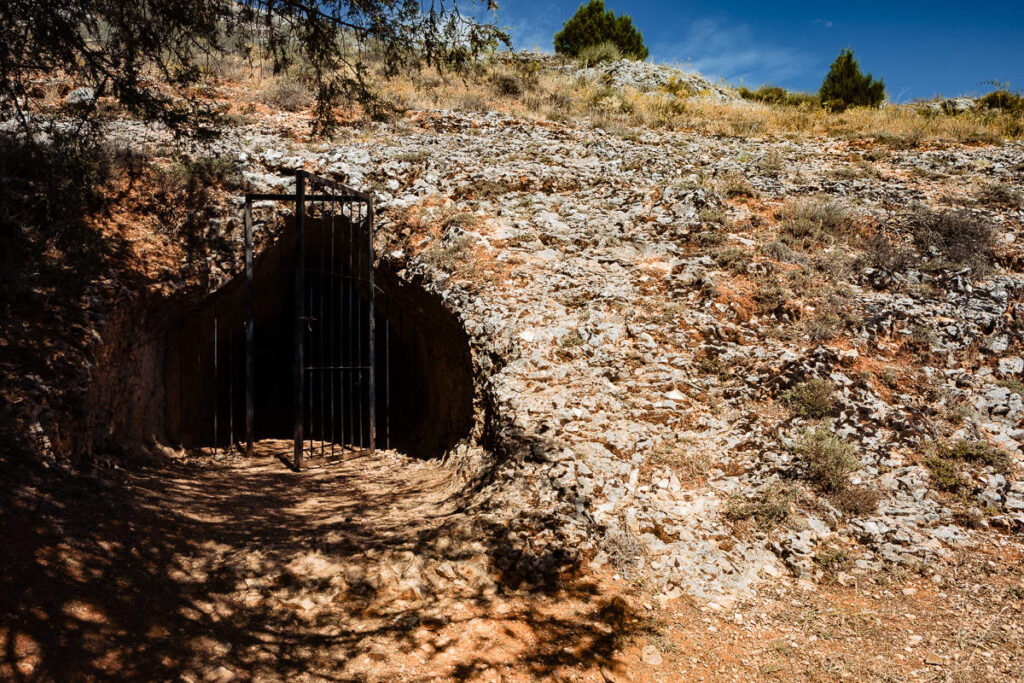
In Ucero, in the heart of the Río Lobos Canyon, you can explore a remarkable 133-metre Roman tunnel that once formed part of the hydraulic system supplying water to Uxama Argaela. Carved directly into the rock and high enough to walk through for most of its length, it stands as an impressive example of Roman engineering set within a spectacular natural landscape.
Complete your visit by exploring Ucero Castle and enjoying the local gastronomy. Here, history, nature, and culture come together to create an engaging and accessible experience for visitors of all ages.
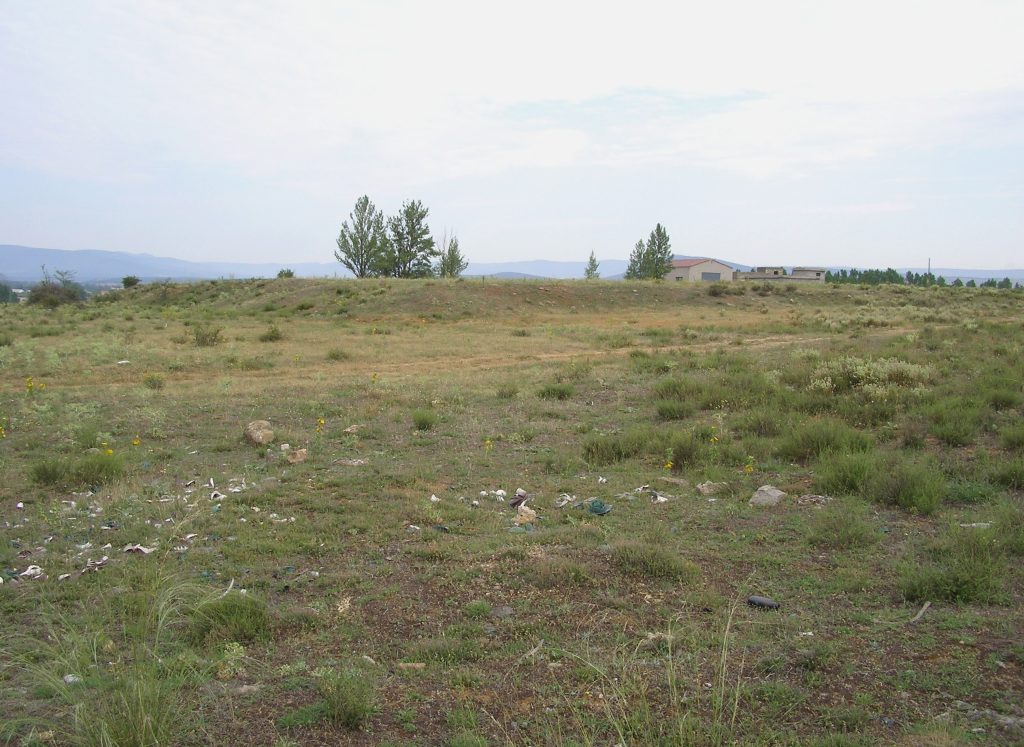
Alto del Real
During the Roman siege of Numancia (143–133 BC), Scipio established his main camp at El Castillejo and ordered the city to be surrounded by a defensive wall, supported by six fortified military camps and two smaller riverside forts. Alto del Real was the closest of these camps to Numancia, separated from the city only by the River Duero.
The camp controlled the river crossing at the point where today’s bridge now stands, most likely the location of an ancient ford. Following the siege, the site was abandoned and shows no evidence of later occupation, preserving an important chapter in the military history of the Celtiberian Wars.
CIadueña
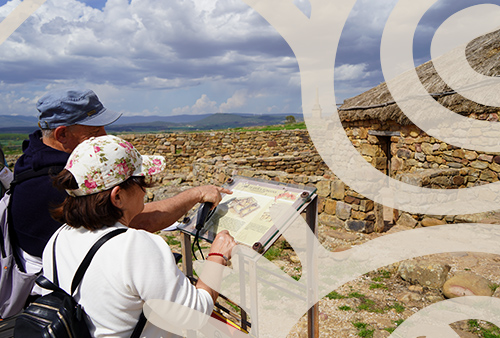
In Ciadueña, a small village within the municipality of Barca on the banks of the River Duero, lies one of the best-preserved Celtiberian archaeological sites in the province. Discovered in 2008, the settlement of Las Eras covers nearly six hectares and has revealed an exceptionally well-planned ancient city, with paved streets, kerbed sidewalks, and archaeological remains that reflect the sophistication of Celtiberian urban life.
Set within a peaceful riverside landscape, this remarkable site offers visitors the opportunity to discover an extraordinary chapter of Celtiberian history in a location that remains largely untouched by conventional tourism.
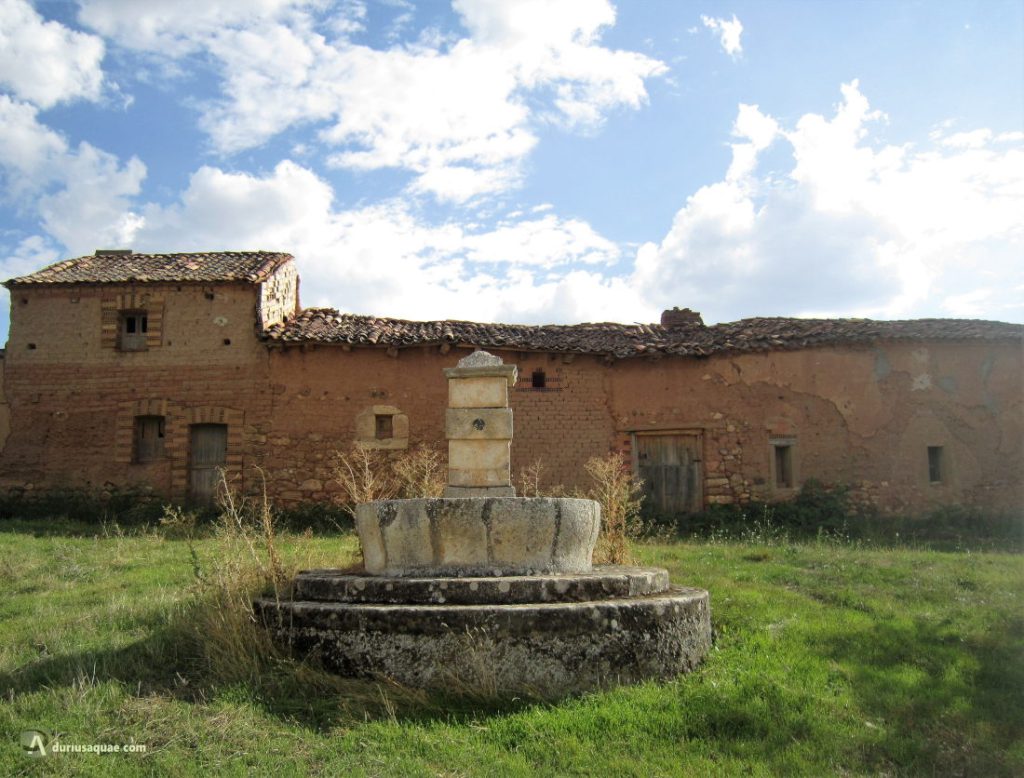
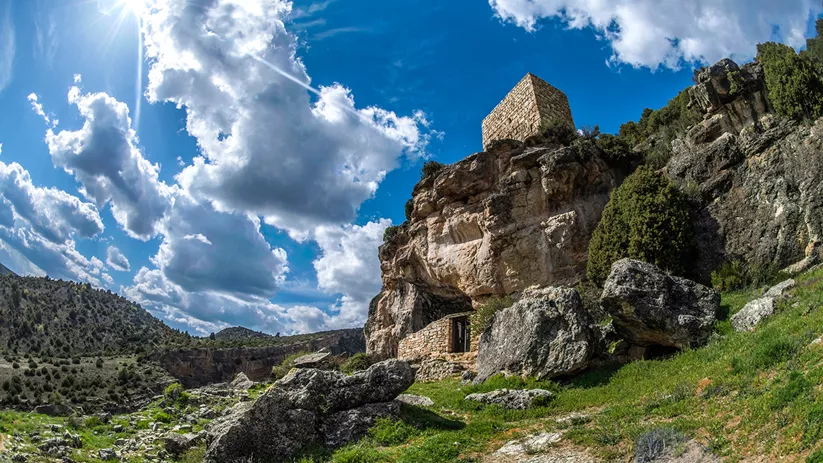
Alto de los casares
Excavated since 2007, this Celtiberian settlement stands on a hill overlooking the River Linares. Covering approximately four hectares, it was protected by a double defensive wall and a surrounding ditch, with two entrances connected by a diagonal street that crossed the settlement.
Archaeological excavations have uncovered rectangular stone houses and finely decorated Celtiberian pottery featuring geometric motifs, indicating that the settlement was abandoned shortly before the Roman conquest. Later discoveries of Roman terra sigillata pottery also confirm that the site was reoccupied during the Imperial period, revealing its long and complex history.