





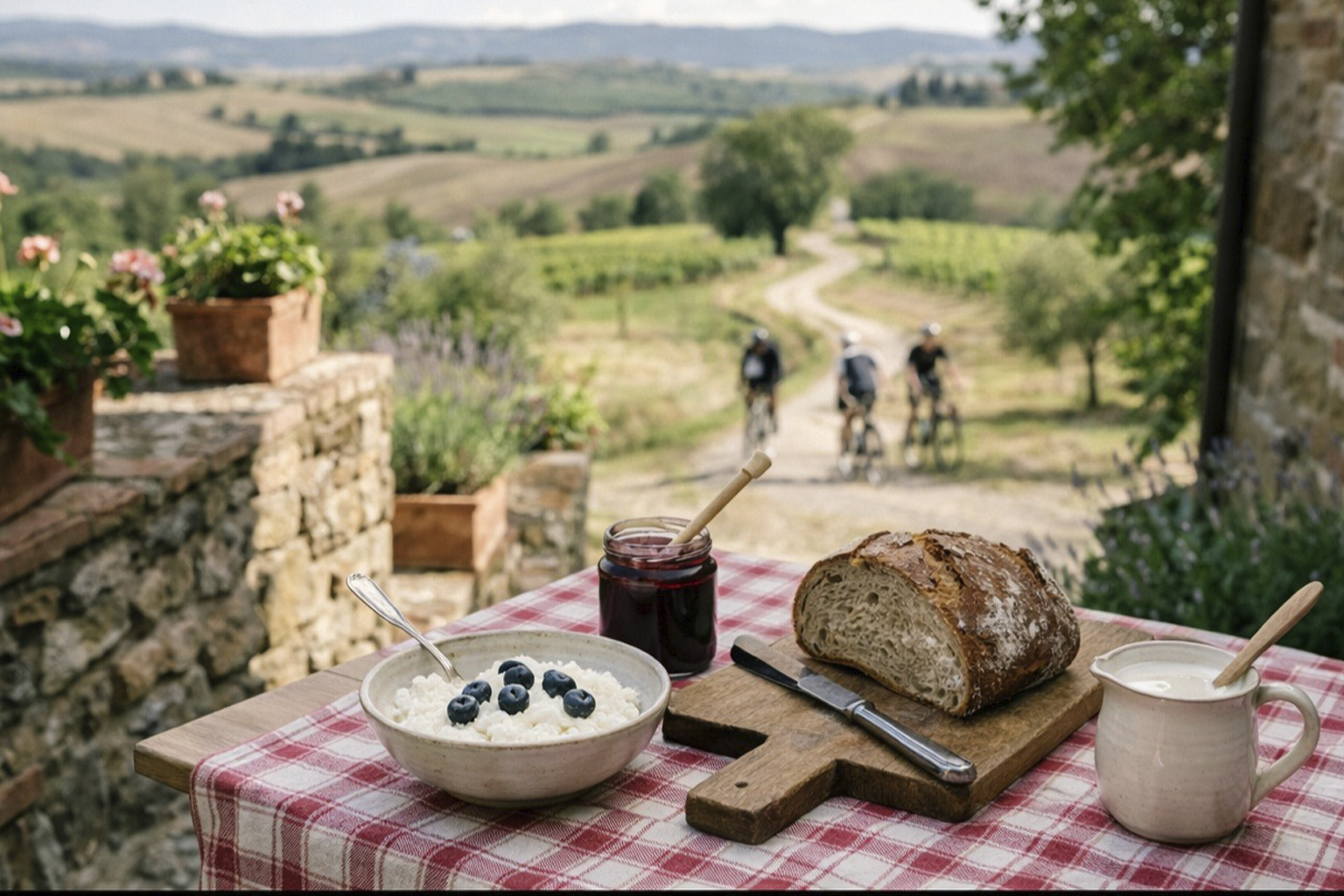
FLAVOURS OF CELTIBERIA: A UNIQUE GASTRONOMIC EXPERIENCE IN SORIA
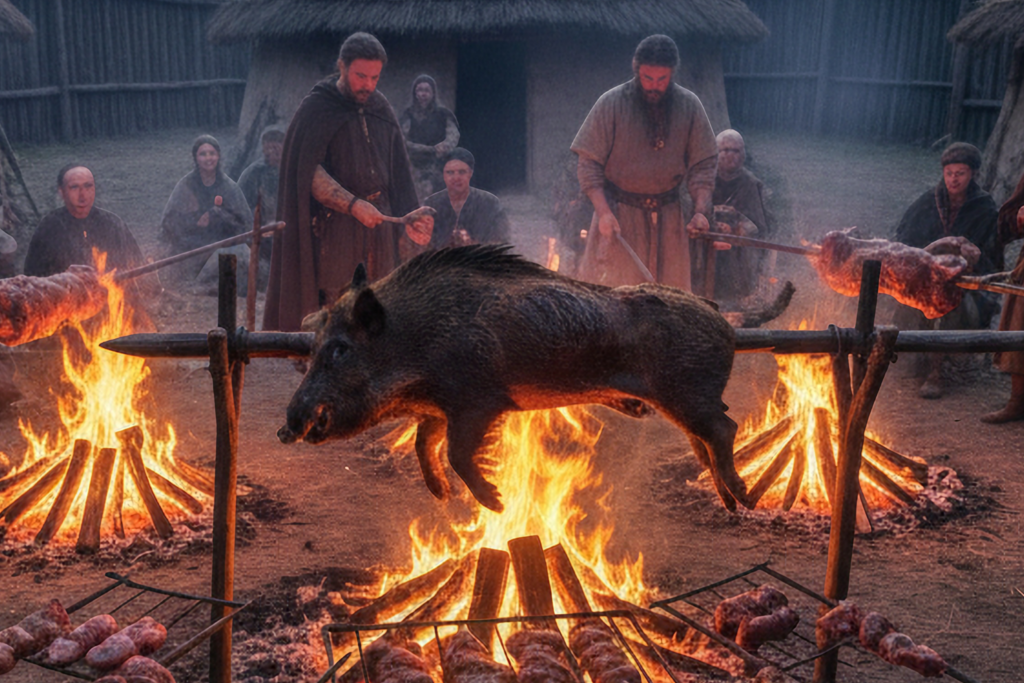
What if you could travel back more than 2,000 years… through taste?
In the province of Soria, gastronomy is not just food — it is living history. Through natural products, ancestral recipes, and untouched landscapes, visitors can discover a culinary experience directly connected to the Celtiberian world.
For this ancient culture, food was much more than nourishment: it was an essential part of everyday life, identity, and the deep connection between people and their territory.
GASTRONOMY AS A JOURNEY INTO THE PAST
Celtiberian cuisine is not intended to be an exact reconstruction, but rather an interpretation based on archaeological evidence and local traditions. As highlighted by the Tierraquemada Cultural Association, gastronomy is one of the most important expressions of a culture and a powerful way to preserve and share its heritage.
In this context, eating in Soria can become a true journey through history — a way to discover the flavours, landscapes, and traditions connected to the ancient Celtiberian world.
WHAT DID THE CELTIBERIANS EAT?
The diet of the ancient Numantines was deeply connected to their natural environment:
Cereals such as wheat, barley, and rye
Legumes including lentils and broad beans
Meat from hunting and livestock (pork, sheep, and goat)
Wild fruits, acorns, and nuts
Honey as a natural sweetener
Wine and fermented drinks such as caelia
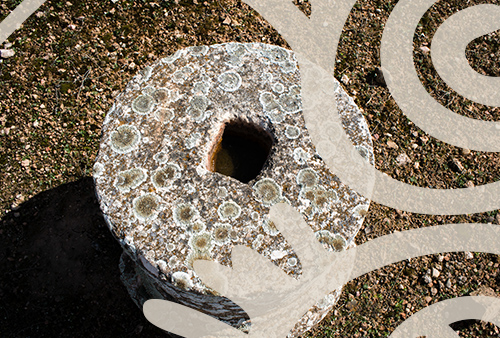
According to archaeological studies, their diet combined plant-based products with animal proteins, with cereals and nuts playing a fundamental role as essential sources of energy.
These foods reflect a way of life closely linked to the land, the seasons, and the resources available in the Celtiberian landscape.
DISHES THAT REINTERPRET CELTIBERIAN TRADITIONS
A UNIQUE GASTRONOMIC EXPERIENCE FOR VISITORS
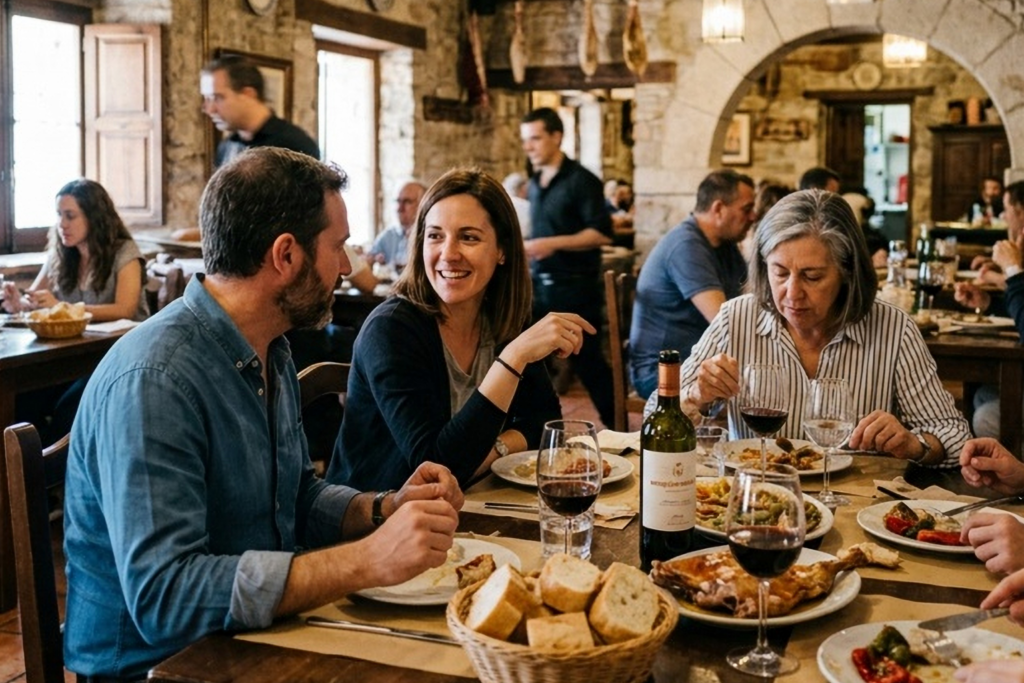
Today, many restaurants and gastronomic events in Soria recreate these ancient flavours with a contemporary touch:
They combine local products, traditional cooking techniques, and modern creativity to offer dishes inspired by the Celtiberian world.
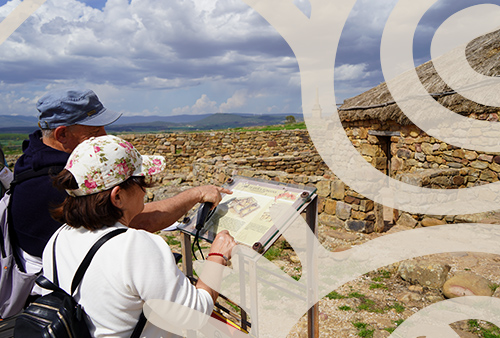
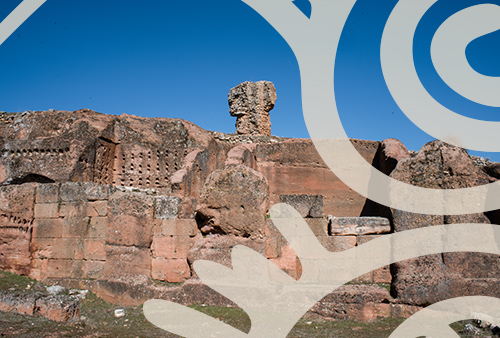
It is a different way to discover history — not only through archaeological sites and museums, but also through aromas, textures, and flavours that connect the present with the ancient traditions of the land.
SEGONTINE-STYLE GACHAS
A humble yet hearty recipe made with wheat flour, animal fat, and bacon.
A simple dish with deep rural roots, reflecting the importance of making the most of local ingredients and the energy needs of traditional communities.
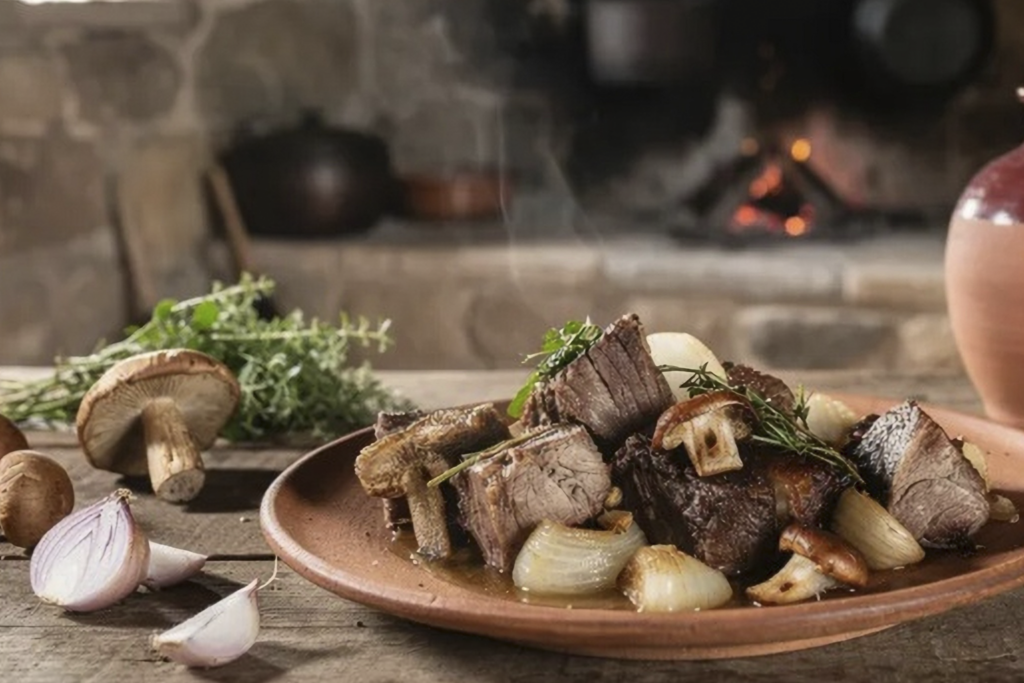
GAME MEAT WITH WILD HERBS
Wild boar, deer, or roe deer cooked with wine, mushrooms, and aromatic herbs, evoking the hunting traditions and natural diet of the Celtiberian peoples.
A dish that connects the flavours of the forest with the ancient relationship between communities, wildlife, and the landscape.
RIVER TROUT
Prepared with vinaigrette and local ingredients, river trout reflects the traditional use of freshwater resources from the surrounding landscape.
A simple yet flavourful dish that connects local gastronomy with the rivers, forests, and natural environment that shaped the Celtiberian way of life.
For travellers looking for more than just a good meal, Celtiberian-inspired cuisine offers:
A connection with history
Local and seasonal products
Authentic, non-industrial flavours
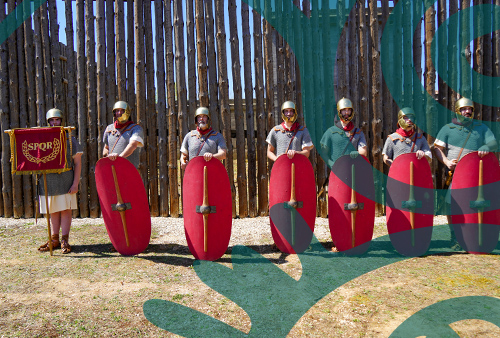
Immersive experiences, including events, historical re-enactments, and themed settings
Local products play a key role in this experience, as their quality is closely linked to the climate, the landscape, and the traditional knowledge passed down through generations in the province.
It is a way of discovering Soria not only through its monuments and archaeological sites, but also through its flavours and culinary heritage.
DESSERTS WITH HONEY AND FRUIT
The famous Numantine pears or wild berries with honey reveal the sweetest side of this culinary tradition.
Ingredients that did not exist (and make all the difference)
One of the most fascinating aspects of this cuisine is what was not used:
Tomatoes, potatoes, corn, or peppers (they arrived from America centuries later)
Citrus fruits or exotic products
Eastern spices
This resulted in a purer style of cooking, based on natural flavours, local ingredients, and traditional techniques.
A cuisine where simplicity, the landscape, and the seasons defined every dish.
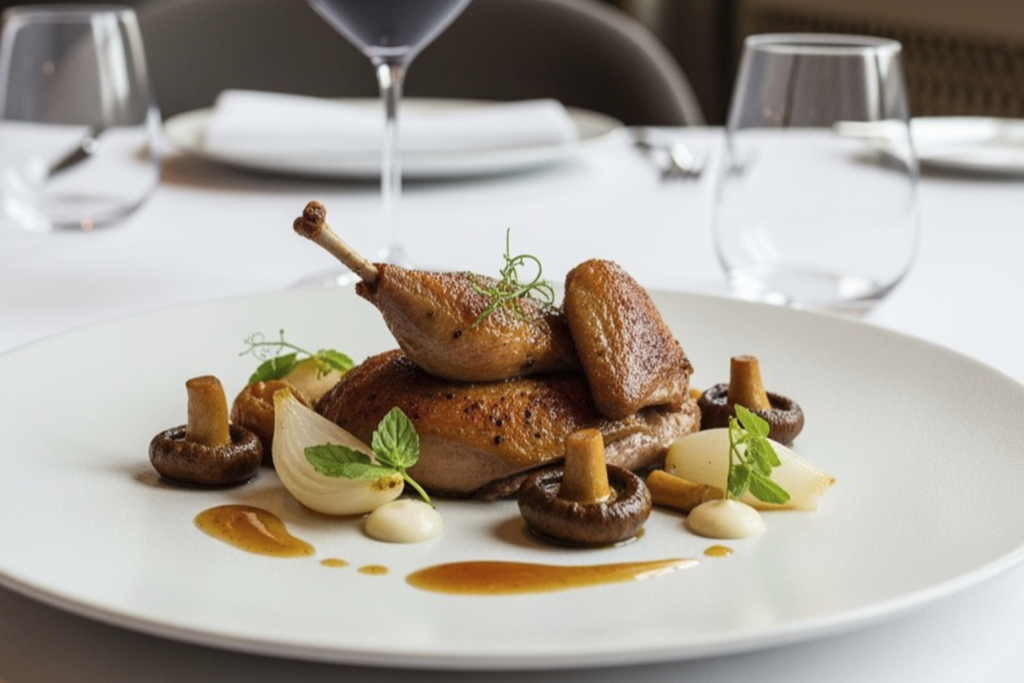
MORE THAN FOOD: CULTURE, LANDSCAPE AND TRADITION
In Soria, gastronomy cannot be understood without its surroundings:
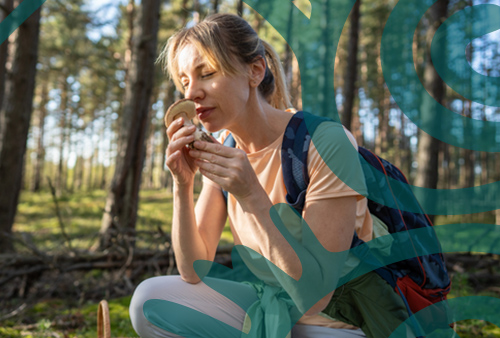
Forests that provide mushrooms and game
Rivers that offer fresh trout
Fields that produce cereals and legumes
Traditions that have survived for centuries
Even the way people ate —gathering together and sharing food— was part of the Celtiberian social experience.
A cuisine deeply connected to the landscape, where every flavour tells the story of a territory, its people, and their relationship with nature.
CONCLUSION
Discovering Celtiberian gastronomy is much more than tasting traditional dishes — it is understanding a way of life based on nature, community, and respect for local resources.
For travellers looking for a different, authentic experience full of history, Soria offers a unique journey… one that begins on the plate and stays in your memory.
Are you ready to taste it?
If you visit Soria, look for restaurants and gastronomic events inspired by the Celtiberian world.
Because some journeys are remembered… and others are also savoured.