




UXAMA, THE GREAT ROMAN CITY HIDDEN IN SORIA'S DUERO VALLEY
Rome ruled the known world. And to control it, Rome built cities. One of them lies in Soria, next to the Ucero River, and has been waiting for two thousand years to be discovered.
When we arrived at Uxama and climbed up to Cerro del Castro, near El Burgo de Osma, we immediately understood why Rome chose this location. The Duero Valley opens up before your eyes, revealing something very clear: whoever controlled this city, controlled the territory.
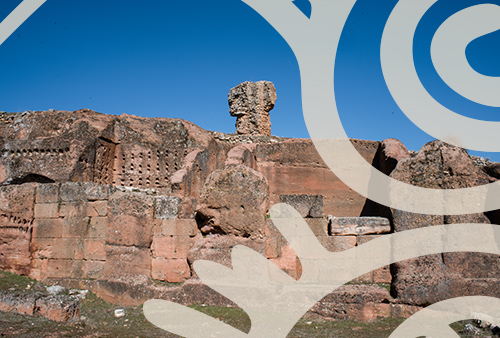
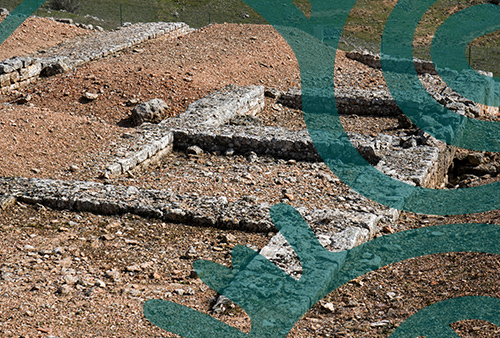
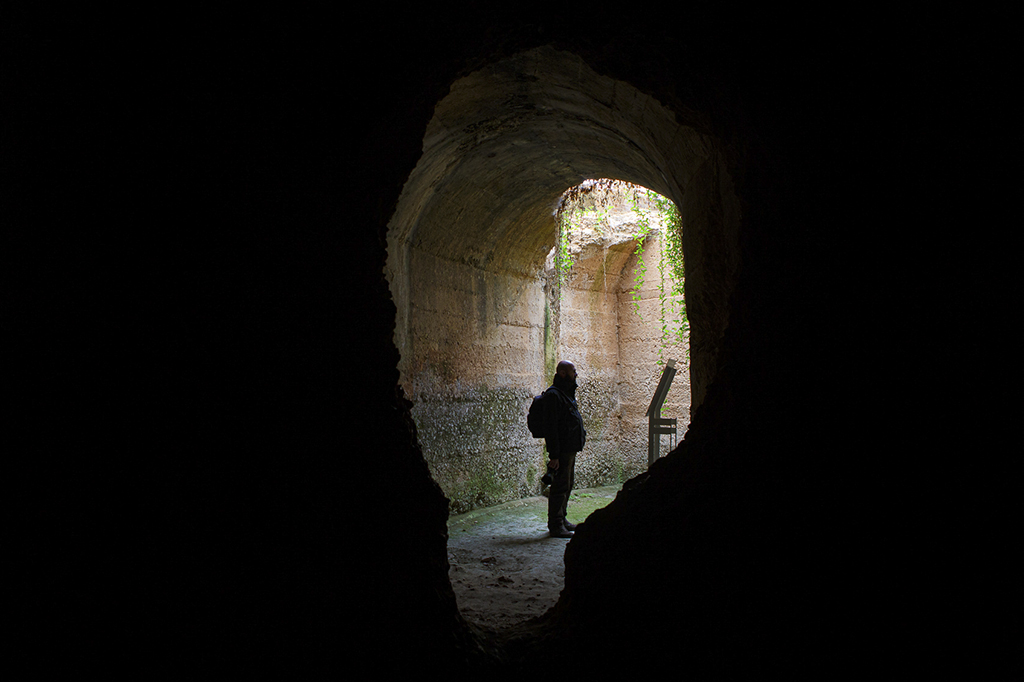
Walking along its ancient streets, exploring the forum, and descending into its impressive cisterns is an experience that perfectly combines history, landscape, and archaeology.
We have written this post to help you discover Uxama and add it to your list of places to visit. If you are passionate about Roman history, here you will find a city designed with all the ambition of the Empire.
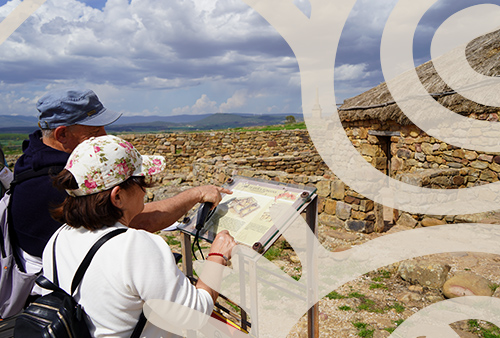
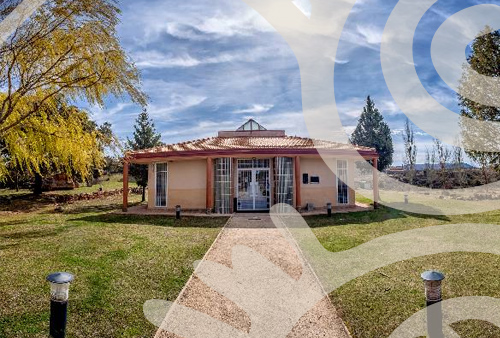
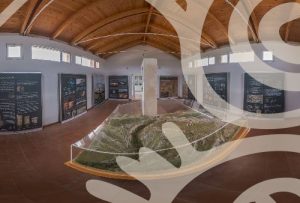
If you are travelling with your family, the archaeological site offers signposted routes, interpretation centres with scale models, audiovisual displays, and resources that make history accessible for younger visitors.
And if you are looking for a peaceful, authentic cultural destination in the heart of Soria, Uxama has it all. Declared a Site of Cultural Interest, and with centuries of history preserved in its landscape, it is one of those places that surprises everyone who arrives without knowing exactly what to expect.
WHERE IS UXAMA LOCATED?
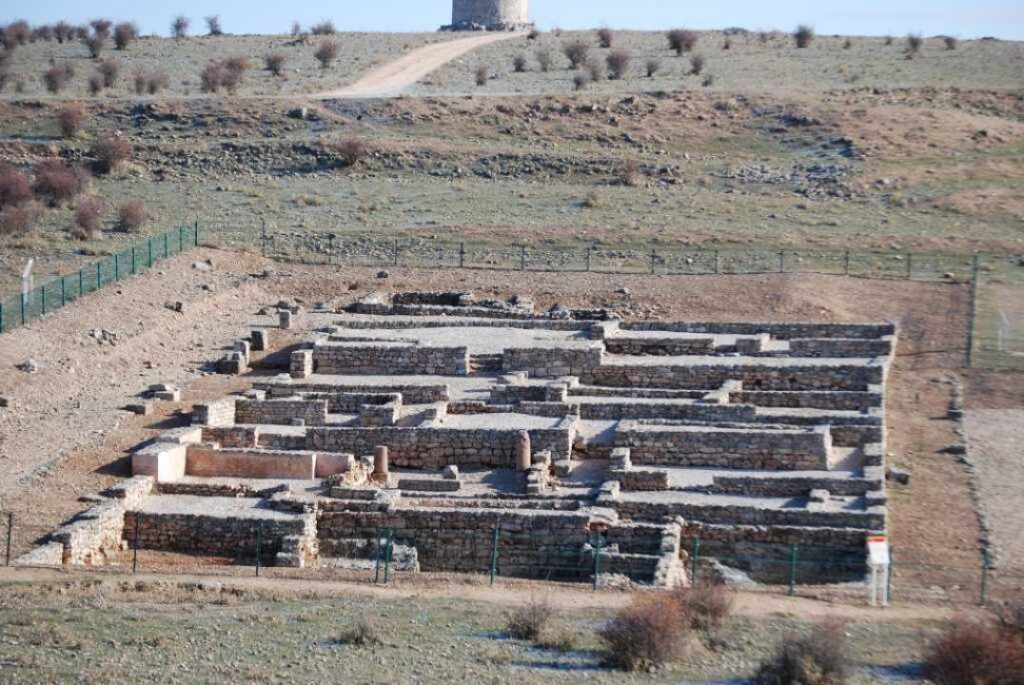
Uxama is located next to the town of El Burgo de Osma, in the southwest of the province of Soria, on a hill overlooking the Ucero River, a tributary of the Duero.
Its strategic position provided exceptional views over the valley and control of the main communication routes across the interior of the Iberian Peninsula, explaining why Rome chose this site to build one of its most important cities in the region.
The landscape surrounding the archaeological site is vast and largely unchanged. Exploring Uxama also means taking the time to understand the close relationship between the city and the territory that supported it.
HOW TO GET TO UXAMA
From Madrid: Take the A-1 motorway towards Burgos until you reach Aranda de Duero, then continue along the A-11 towards Soria until El Burgo de Osma. The archaeological site is signposted from the outskirts of the town and is only a few minutes away by car.
From Soria: Take the N-122 towards Valladolid until El Burgo de Osma. From the town, the route to the archaeological site is clearly signposted.
The site has a nearby parking area, and access is easy both by car and on foot from El Burgo de Osma.
A BRIEF HISTORY OF UXAMA: FROM INDIGENOUS SETTLEMENT TO ROMAN CITY
Before Rome arrived, this hill overlooking the Ucero River was already inhabited. Indigenous communities linked to the Celtiberian world settled here, taking advantage of its elevated position and its commanding views over the valley. However, it was the arrival of Rome that completely transformed what existed on this site.
The Roman conquest meant much more than a change of power. It brought a complete reorganisation of space, society, and everyday life. The indigenous settlement gradually gave way to a planned city, with regular streets, monumental public buildings, and a forum that became its administrative and social heart.
Uxama became a Roman municipium, integrated into the network of cities that Rome used to organise and control the interior of Hispania.
It was especially during the 1st century AD, under the reign of Emperor Tiberius, that Uxama experienced its greatest urban expansion. New neighbourhoods, highly sophisticated hydraulic systems, and large public buildings established the city as one of the most important centres in the Duero Valley.
At the height of its prosperity, Uxama was protected by walls covering an area of approximately 28 hectares — a scale that clearly reflects the importance the city once held.
With the decline of the Roman Empire, Uxama gradually lost population and influence. Its stones were reused to build nearby settlements, and the ancient city slowly disappeared beneath the passing centuries.
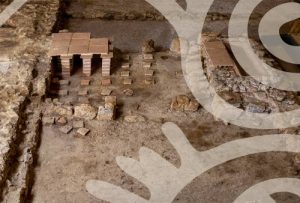
Today, archaeological excavations continue to reveal new remains, helping complete the puzzle of what was once a great Roman city in the heart of Soria.
UXAMA OPENING HOURS
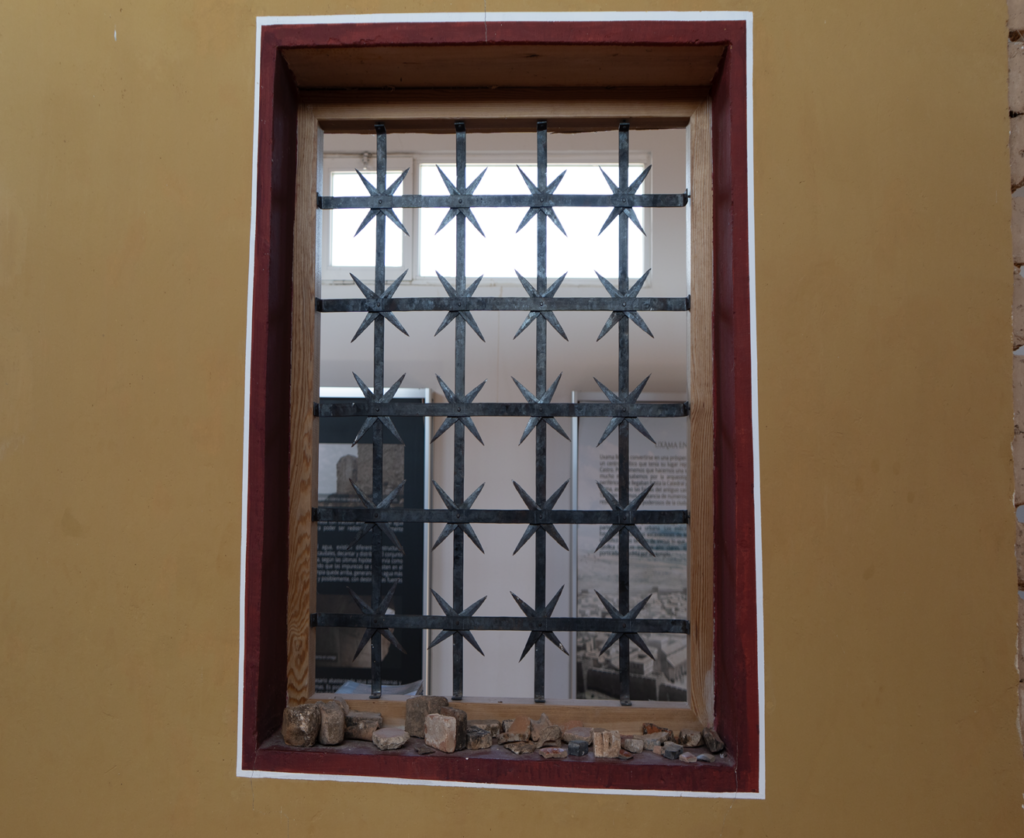
The archaeological site can be visited freely during daylight hours. For the archaeological interpretation centres, it is recommended to check the updated opening times on the official website before your visit, as schedules may vary depending on the season.
Planning ahead will help you make the most of the experience and enjoy both the outdoor archaeological remains and the interpretation spaces.