UXAMA ARGAELA ARCHAEOLOGICAL SITE
CELTIBERIAN ORIGINS: A STRATEGIC OPPIDUM
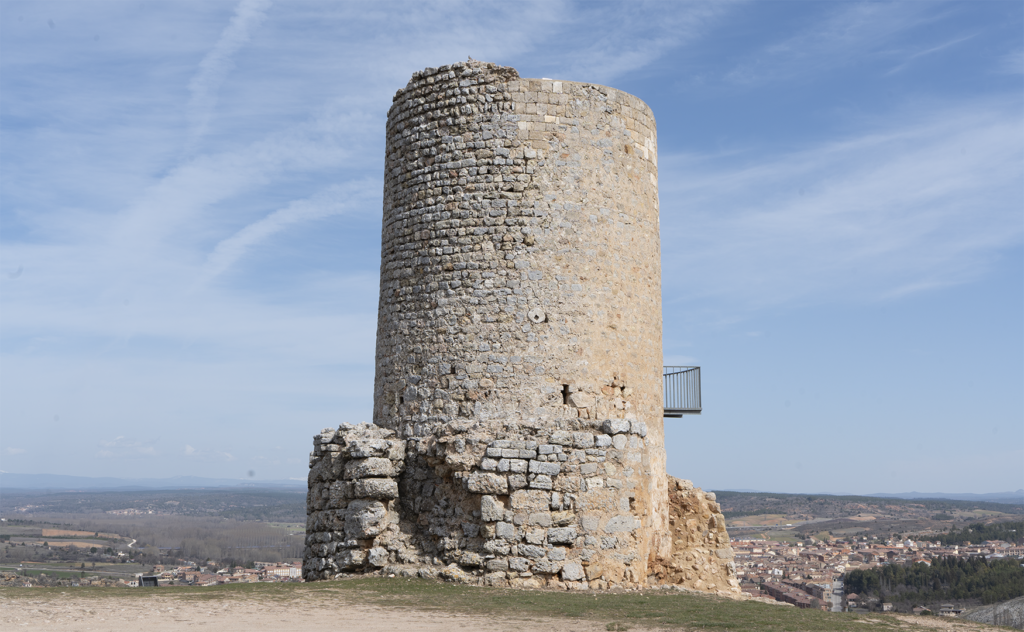
The place name suggests the earlier existence of a Celtiberian castro, or oppidum—a fortified settlement of which limited archaeological remains have been documented. From this commanding hilltop, its inhabitants enjoyed natural defences and extensive views over the surrounding landscape, allowing them to control key communication and trade routes.
Uxama played an active role in the Celtiberian Wars alongside major strongholds such as Numancia and Tiermes, forming part of the network of settlements that resisted Roman expansion during the 2nd century BC.
UXAMA IN THE MIDDLE AGES: THE DIOCESE OF OXOMA
Uxama remained an important centre long after the fall of the Roman Empire. During the Visigothic period, it became an episcopal see with the establishment of the Diocese of Oxoma, whose bishops took part in the Councils of Toledo, reflecting the city’s political and religious significance within the Visigothic Kingdom.
From the 10th century onwards, however, the centre of influence gradually shifted to the settlement now known as El Burgo de Osma, which regained the episcopal seat and developed into the region’s principal economic, administrative, and religious centre.

WHAT TO SEE IN UXAMA
Today, the Archaeological Site of Uxama Argaela is one of the highlights of cultural tourism in Soria. From the Alto del Castro, visitors can enjoy spectacular panoramic views over the Ucero Valley and the historic skyline of El Burgo de Osma.
The site combines:
- Celtiberian and Roman archaeological heritage
- A landscape of outstanding natural beauty
- Close proximity to one of the most remarkable historic towns in Castile and León
Your visit can be completed with a walk through El Burgo de Osma, renowned for its magnificent cathedral, well-preserved medieval streets, and vibrant cultural atmosphere.
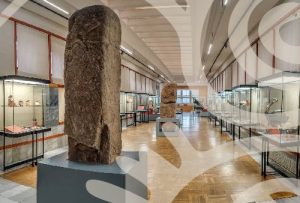
UXAMA ARCHAEOLOGICAL INTERPRETATION CENTRE
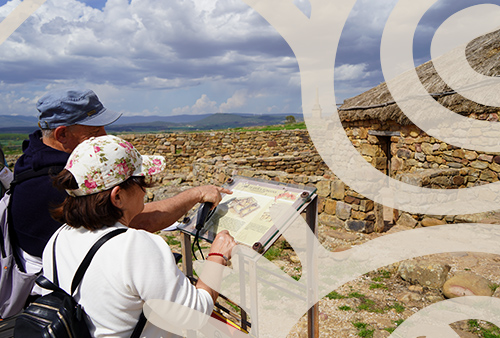
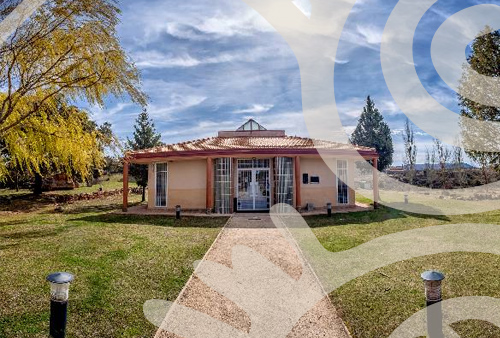
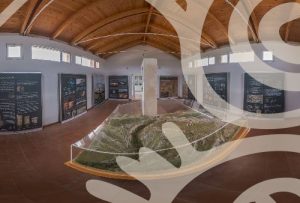
The Uxama Archaeological Interpretation Centre provides visitors with an engaging introduction to the history of the ancient city of Uxama Argaela. Through informative displays, scale models, and educational resources, it explains the evolution of the settlement from its Celtiberian origins to its development during the Roman period.
The centre offers valuable insight into how the city’s inhabitants lived, how the urban settlement was organised, and the important role Uxama played within the Upper Duero region. It is the ideal starting point before exploring the archaeological site itself.
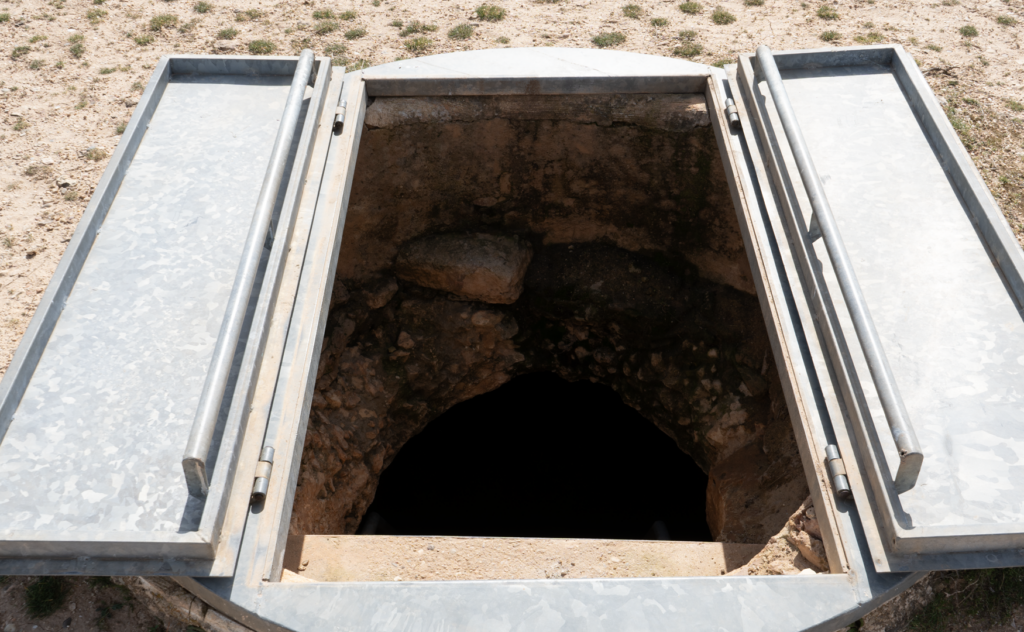
ROMAN CISTERN
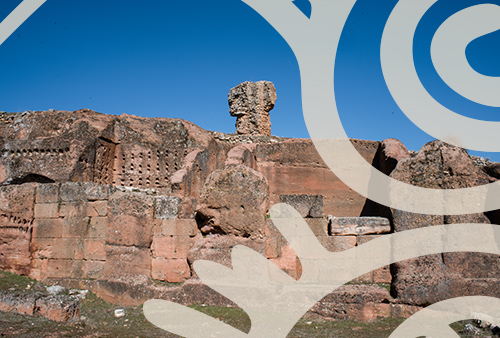
The Roman Cistern of Uxama is one of the most impressive hydraulic structures within the archaeological site. Carved directly into the rock, it formed part of the sophisticated water supply system that sustained the city during the Roman period.
Its remarkable capacity demonstrates the Romans’ advanced expertise in hydraulic engineering. Today, the cistern offers visitors a fascinating insight into how one of the ancient world’s most essential urban resources was collected, stored, and managed more than two thousand years ago.
VISIT UXAMA
Visiting Uxama Argaela means discovering one of the most important archaeological sites in northern Hispania. Perched on a hill overlooking the Ucero Valley, this ancient Celtiberian-Roman city offers visitors the opportunity to explore more than two thousand years of history.
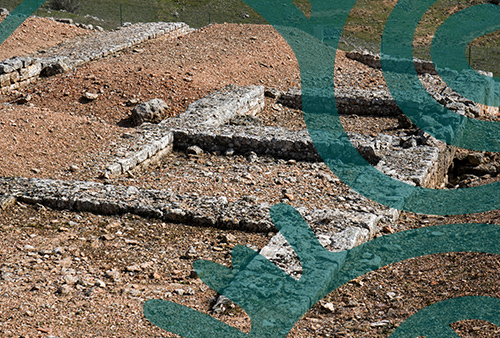
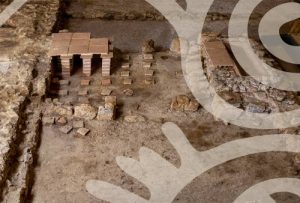
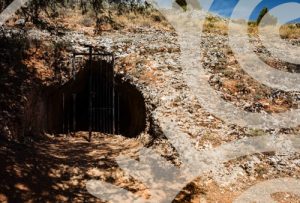
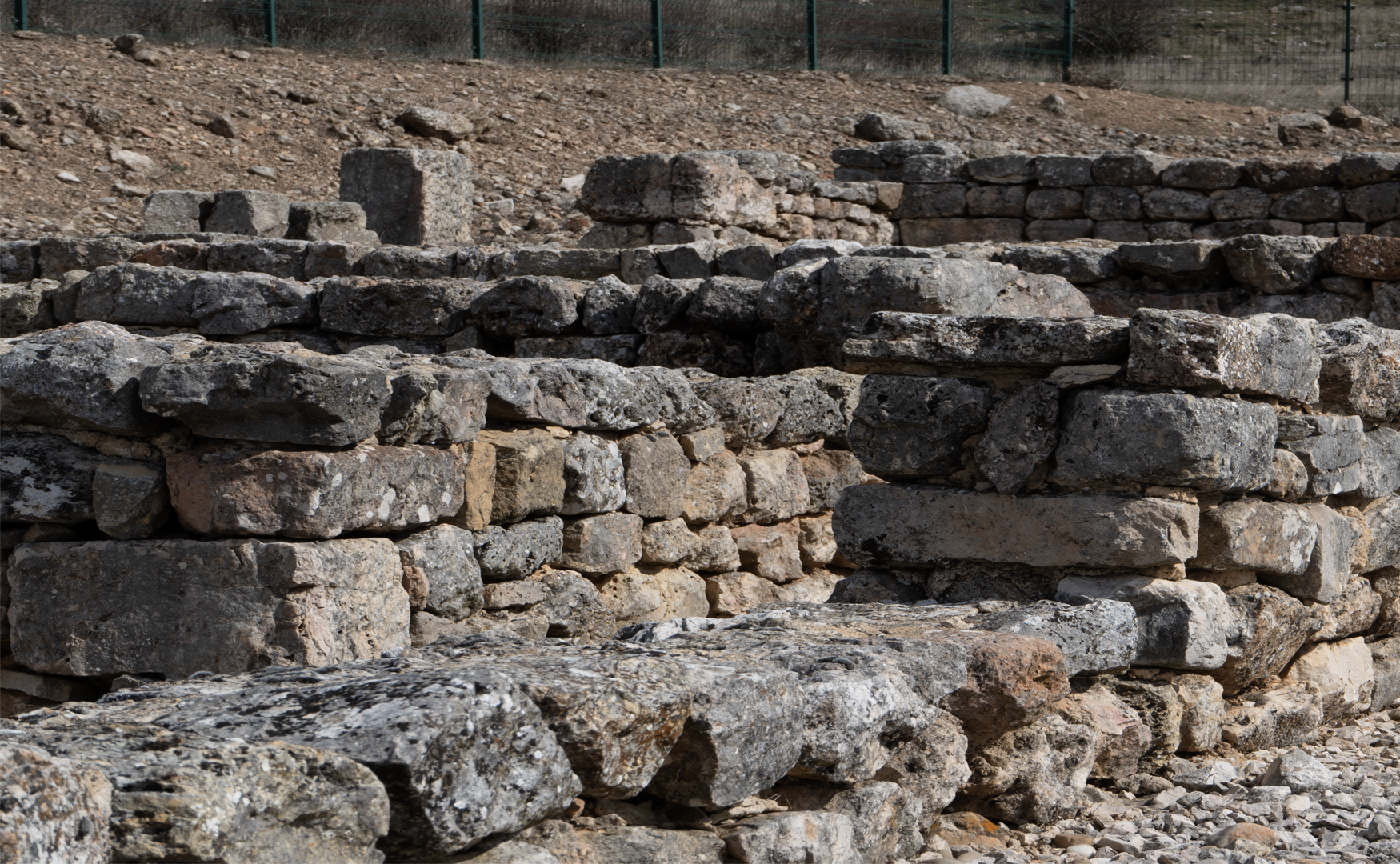
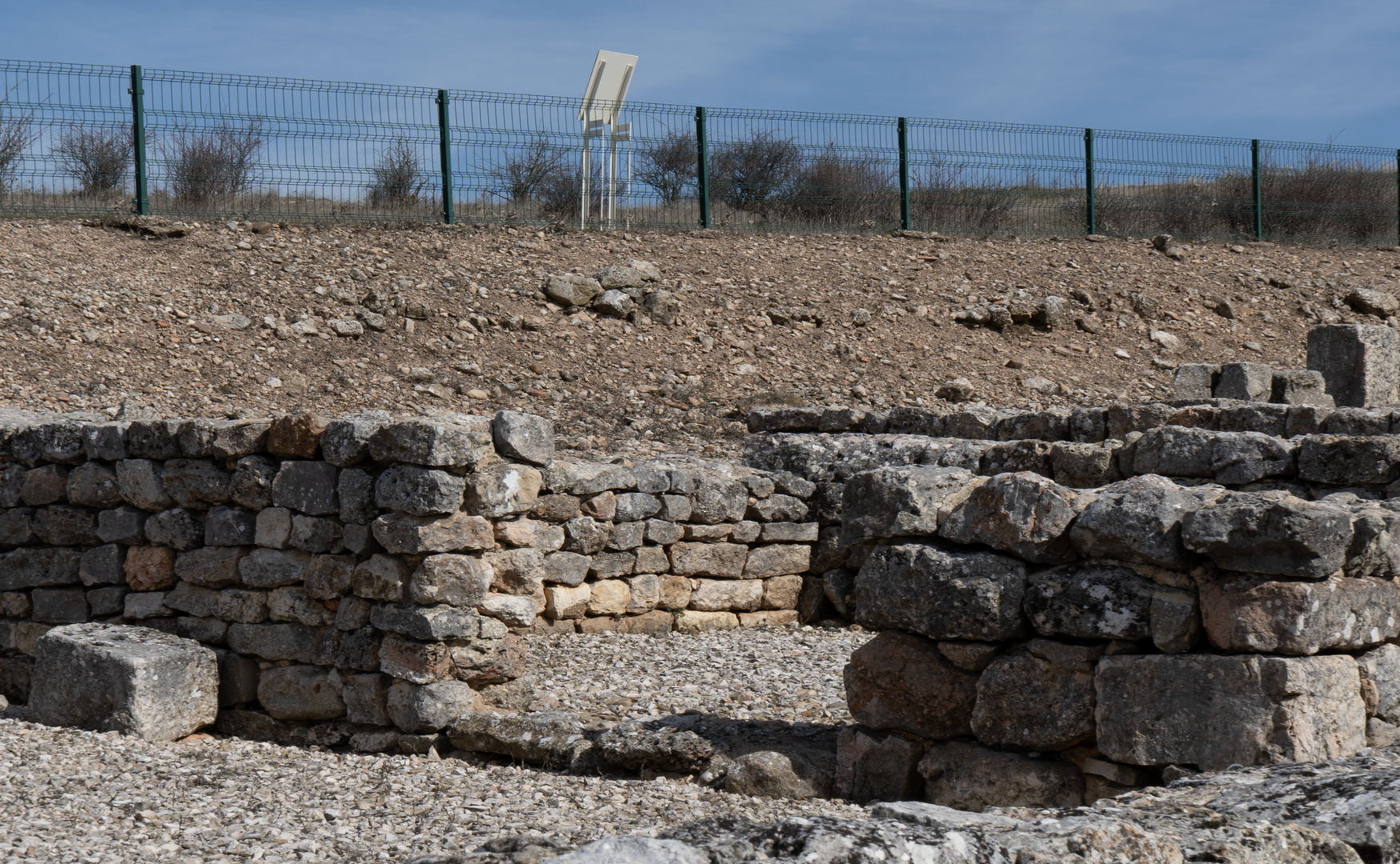
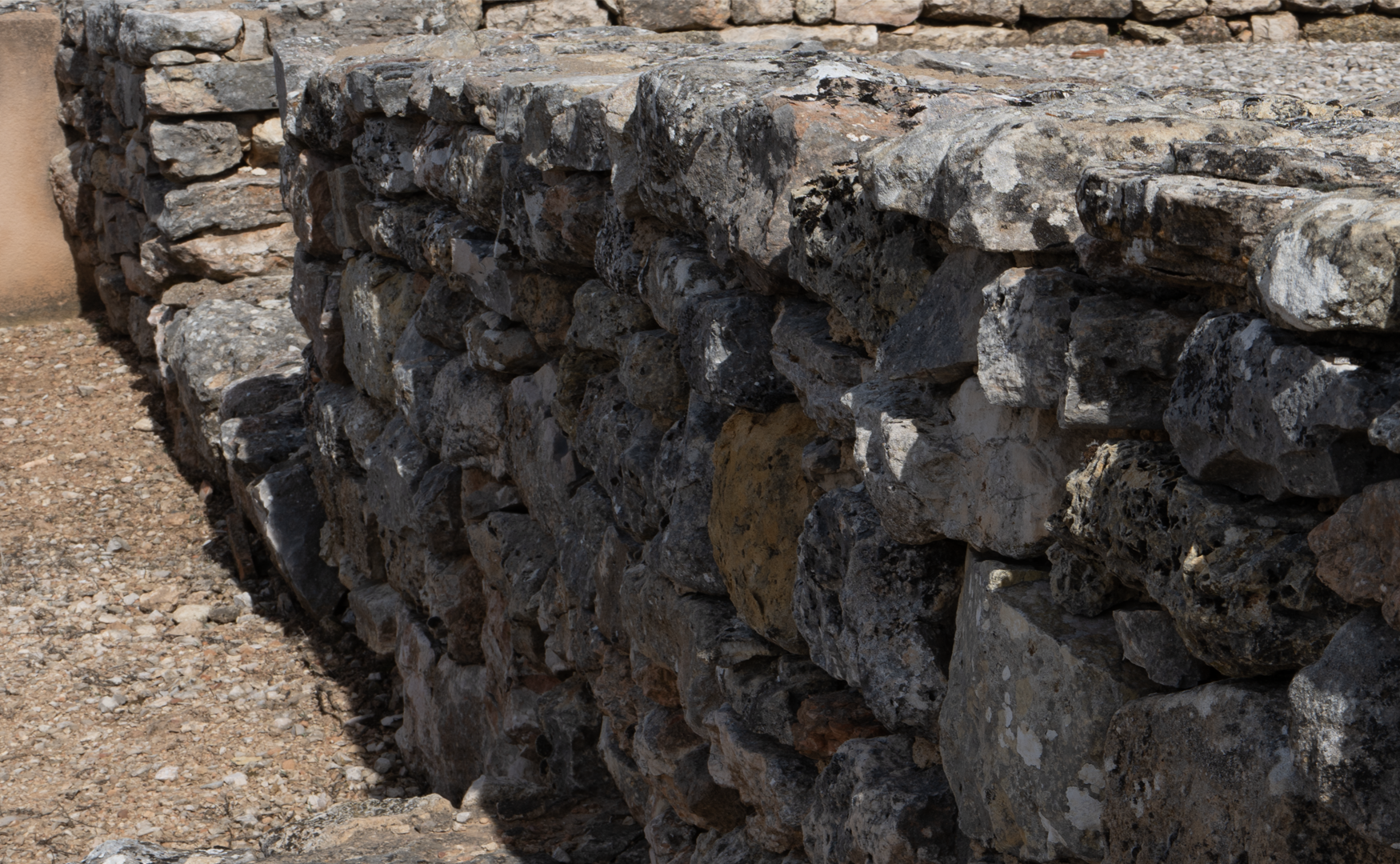
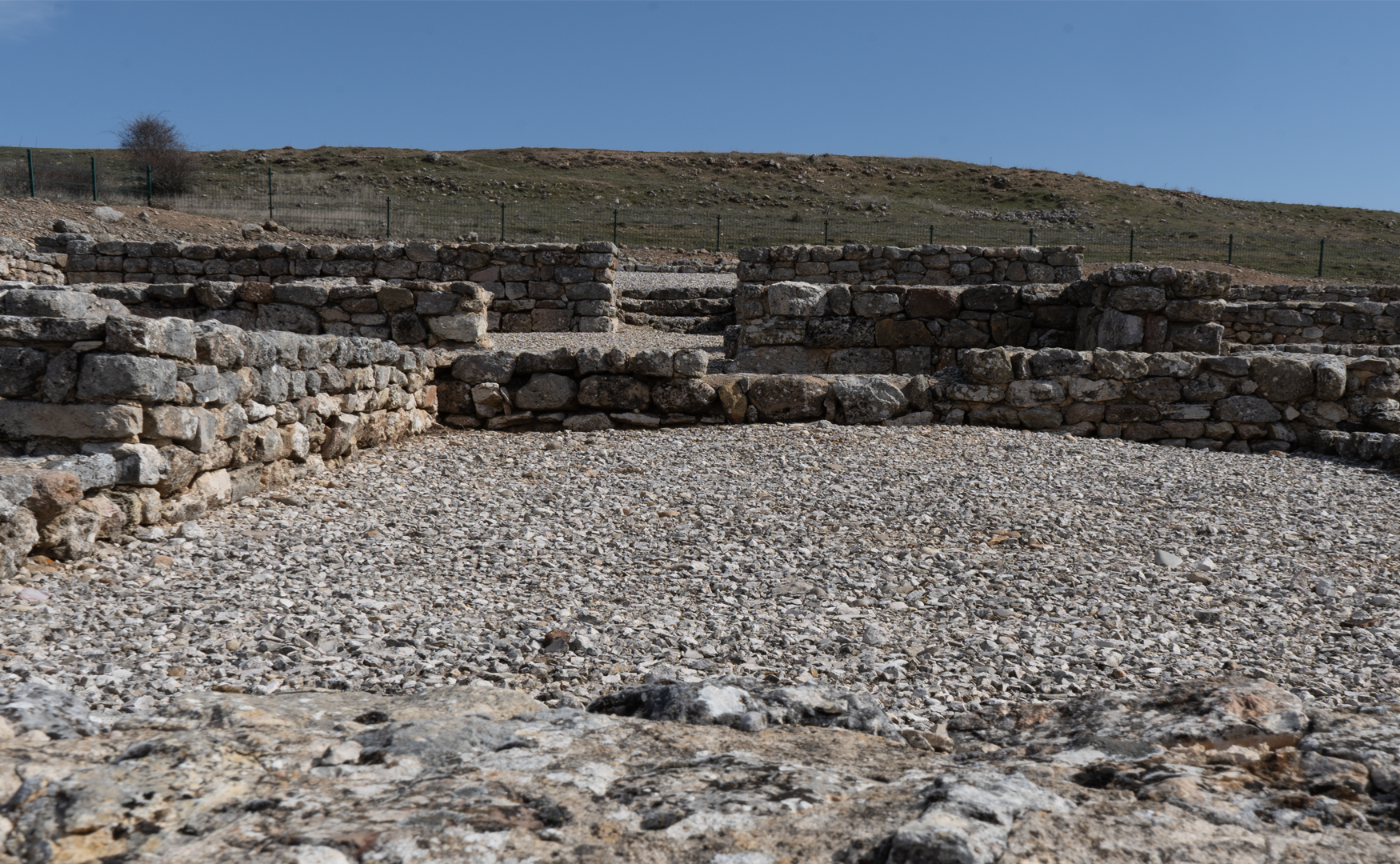
As you walk through the site, you can discover the remains of houses, defensive walls, rock-cut cisterns, and public buildings that reveal how the city was organised during the Roman period. These remarkable remains provide a vivid insight into the daily lives of its inhabitants and the strategic importance that made Uxama one of the leading cities of the ancient Upper Duero region.
WHAT YOU'LL SEE IN UXAMA
ROMAN ARCHITECTURE
CISTERNS
ROCK-CUT GRANDSTAND
CITY GATES