







NUMANCIA ARCHAEOLOGICAL SITE
The Celtiberian House
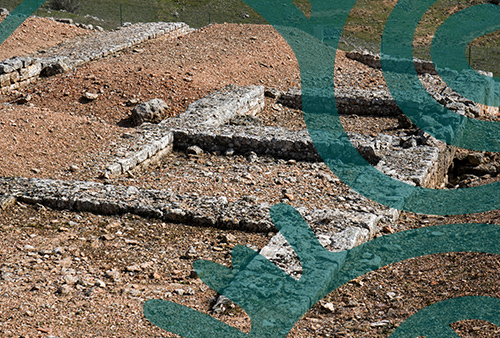
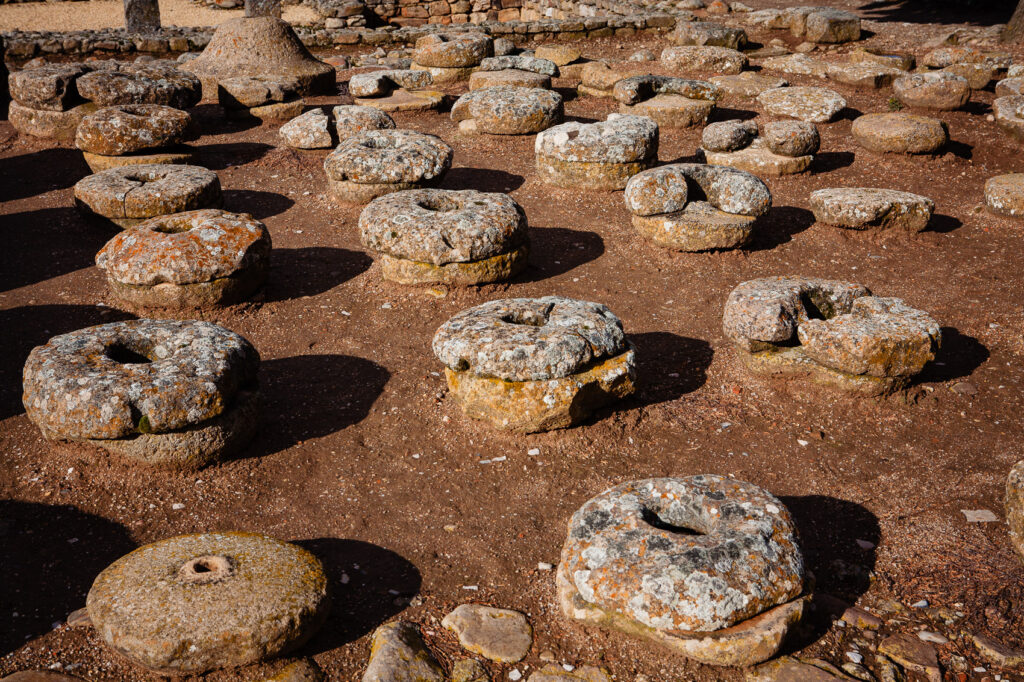
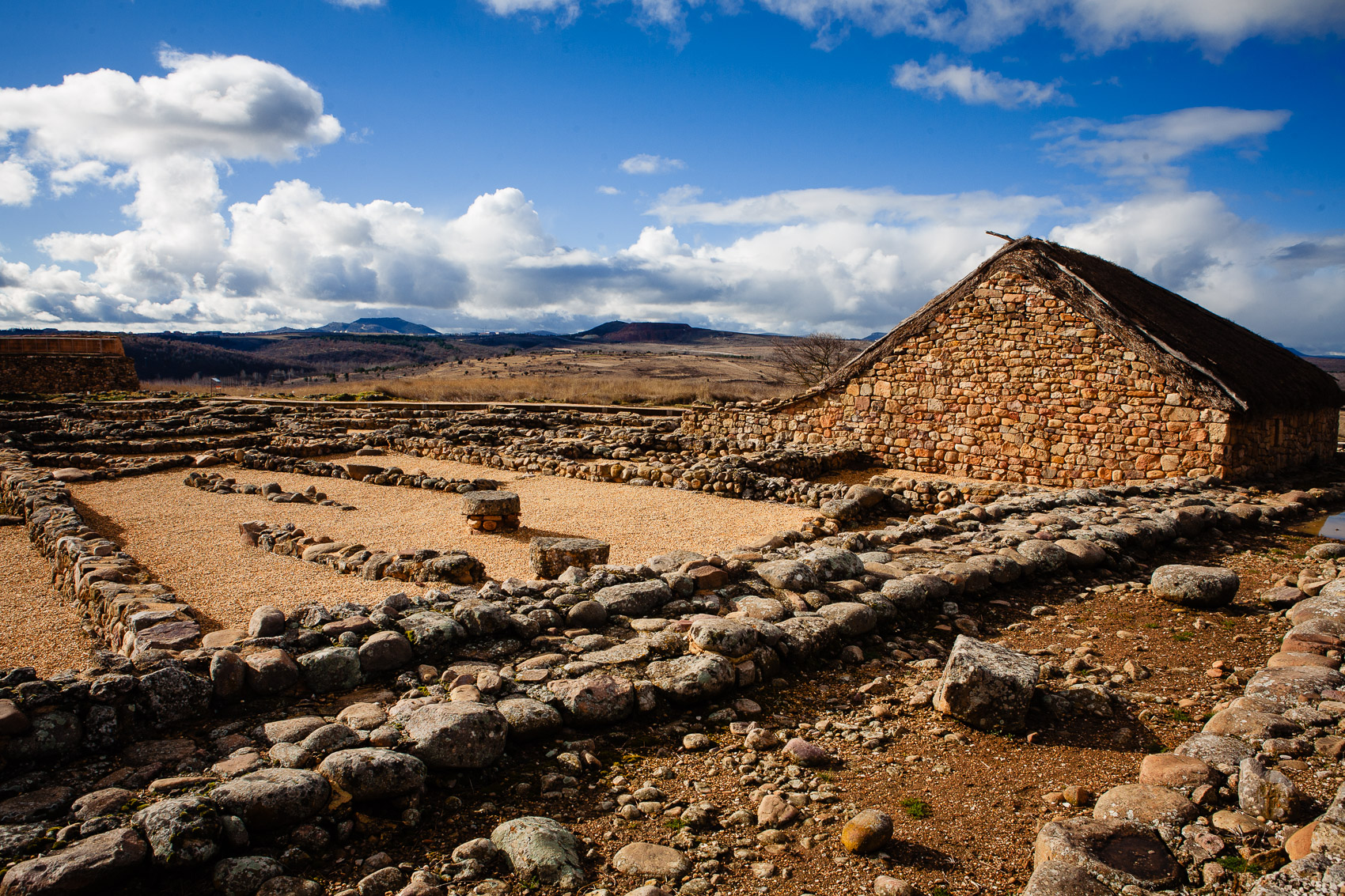
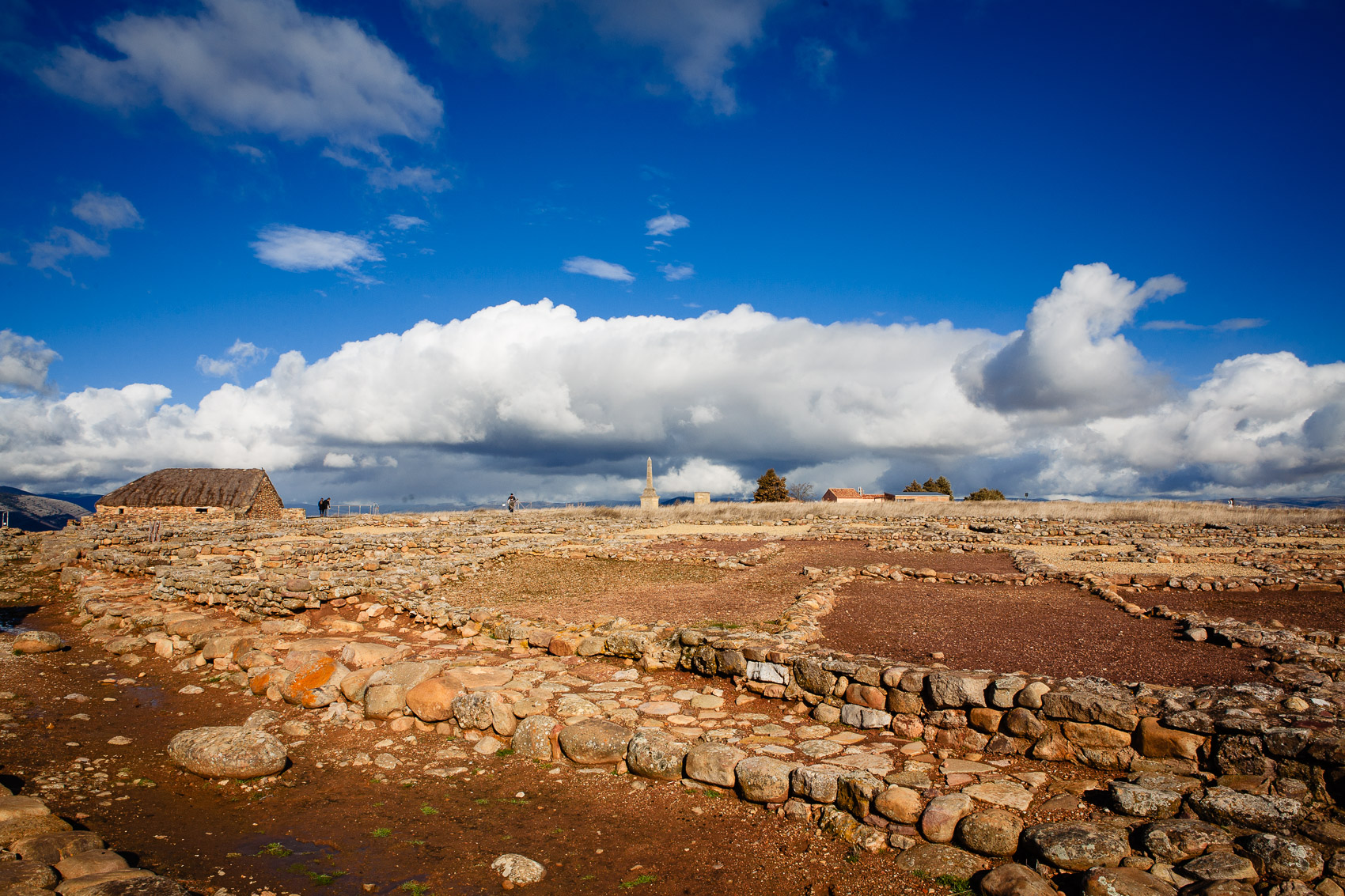
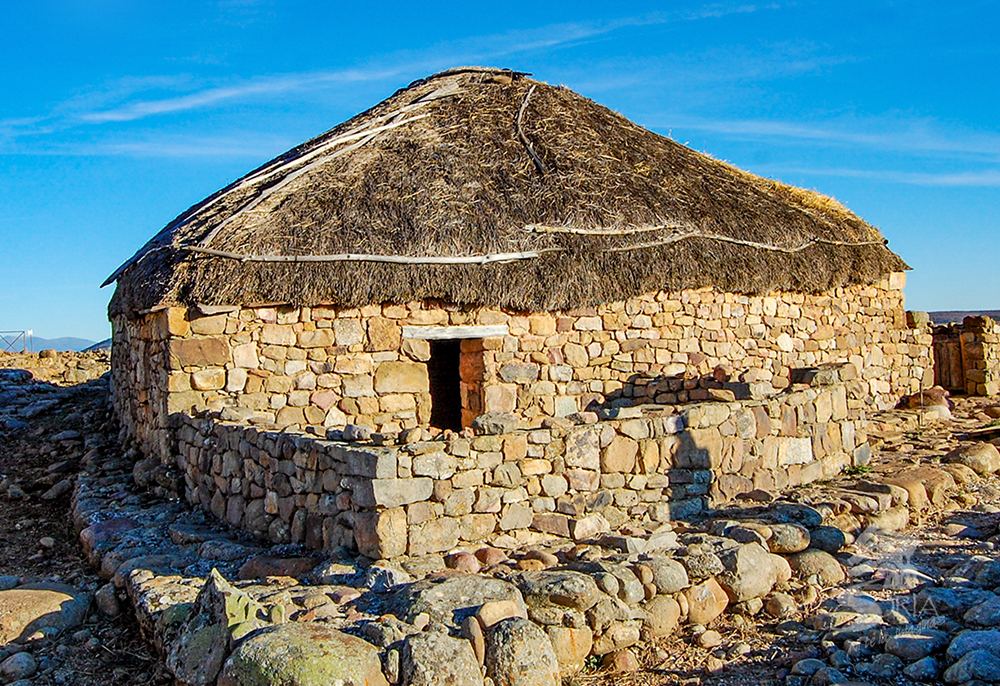
The Celtiberian houses of Numancia provide a fascinating insight into the daily lives of their inhabitants and their adaptation to the surrounding environment. These dwellings were typically rectangular or slightly irregular in plan, with stone foundations supporting walls built from adobe and other organic materials.
Inside, the houses were divided into areas dedicated to everyday activities such as cooking, food storage, and domestic work. At the heart of each home was the central hearth, an essential feature used for preparing meals and providing warmth during the colder months.
The houses were arranged in well-organised neighbourhoods connected by narrow, clearly defined streets, reflecting a remarkable level of urban planning. Thanks to archaeological excavations, visitors can now walk through these ancient spaces and gain a deeper understanding of how Celtiberian communities lived before the arrival of Roman rule.
The Celtiberian Wars and the Roman Siege
Between 153 BC and 133 BC, Rome and the Celtiberian cities fought a prolonged struggle for control of the region. The Arevaci, the most powerful tribe in Celtiberia, defended Numancia along with other strategic strongholds such as Tiermes and Uxama Argaela.
For almost twenty years, Numancia resisted the advance of the Roman army. The scale of the conflict was so great that the Roman Senate even altered the official calendar, moving the beginning of the year to January to improve military planning and campaigning.
Rome eventually entrusted the campaign to one of its most distinguished generals, Publius Cornelius Scipio Aemilianus. Scipio imposed a formidable and virtually impregnable siege around the city, consisting of:
More than 50,000 soldiers
Nine kilometres of fortifications
A network of interconnected military camps
A complete blockade of supplies and communications
This strategy ultimately brought the legendary resistance of Numancia to an end, securing one of the most decisive victories of the Celtiberian Wars.
What to See in Numancia
To help visitors better understand the site, several key features have been carefully reconstructed, including:
Sections of the defensive wall
A Celtiberian house
A Roman house
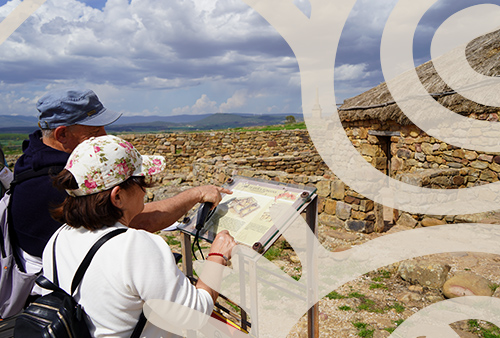
Guided tours led by specialist guides provide fascinating insights into the daily lives of the Celtiberians and Romans, while explaining the key events of the Siege of Numancia.
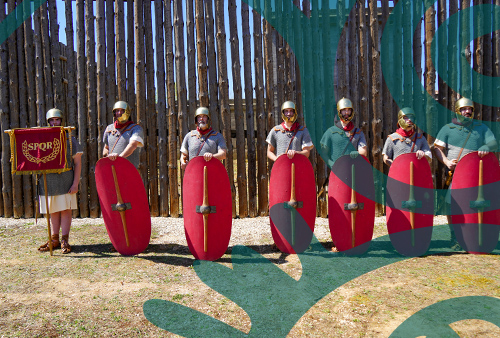
The Tierraquemada Celtiberian Cultural Association, founded by local residents of Garray, also plays a vital role in bringing the site’s history to life through historical re-enactments, open days, and dramatic recreations of episodes from the Celtiberian Wars.
Numantine Wall
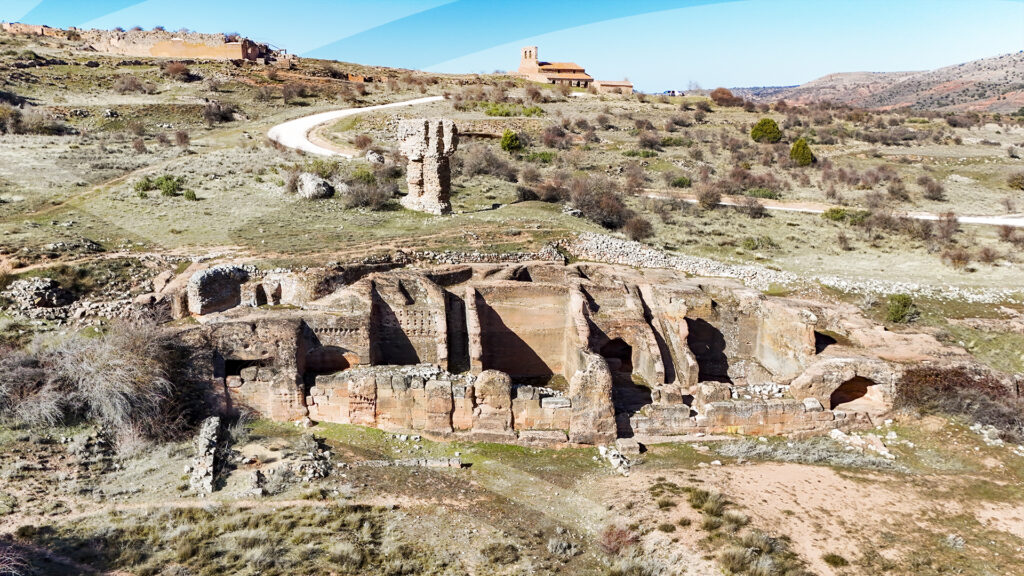
The walls of Numancia were among the city’s most important defensive features. Built from stone and reinforced with a range of defensive structures, they protected the settlement and controlled access to the interior of the town.
Beyond their military function, the walls clearly defined the boundaries of the city and reflected Numancia’s strategic importance within the Celtiberian world. Today, they remain one of the site’s most iconic features, offering visitors a glimpse into the engineering and defensive systems of this legendary settlement.
Roman House
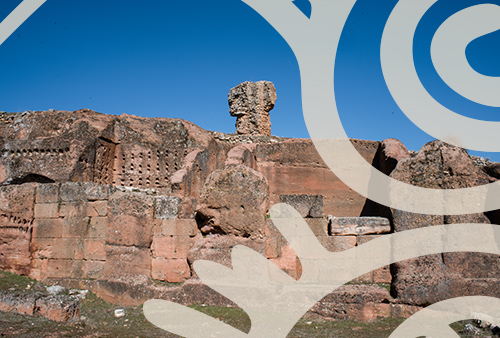
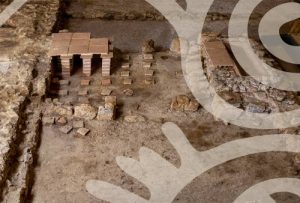
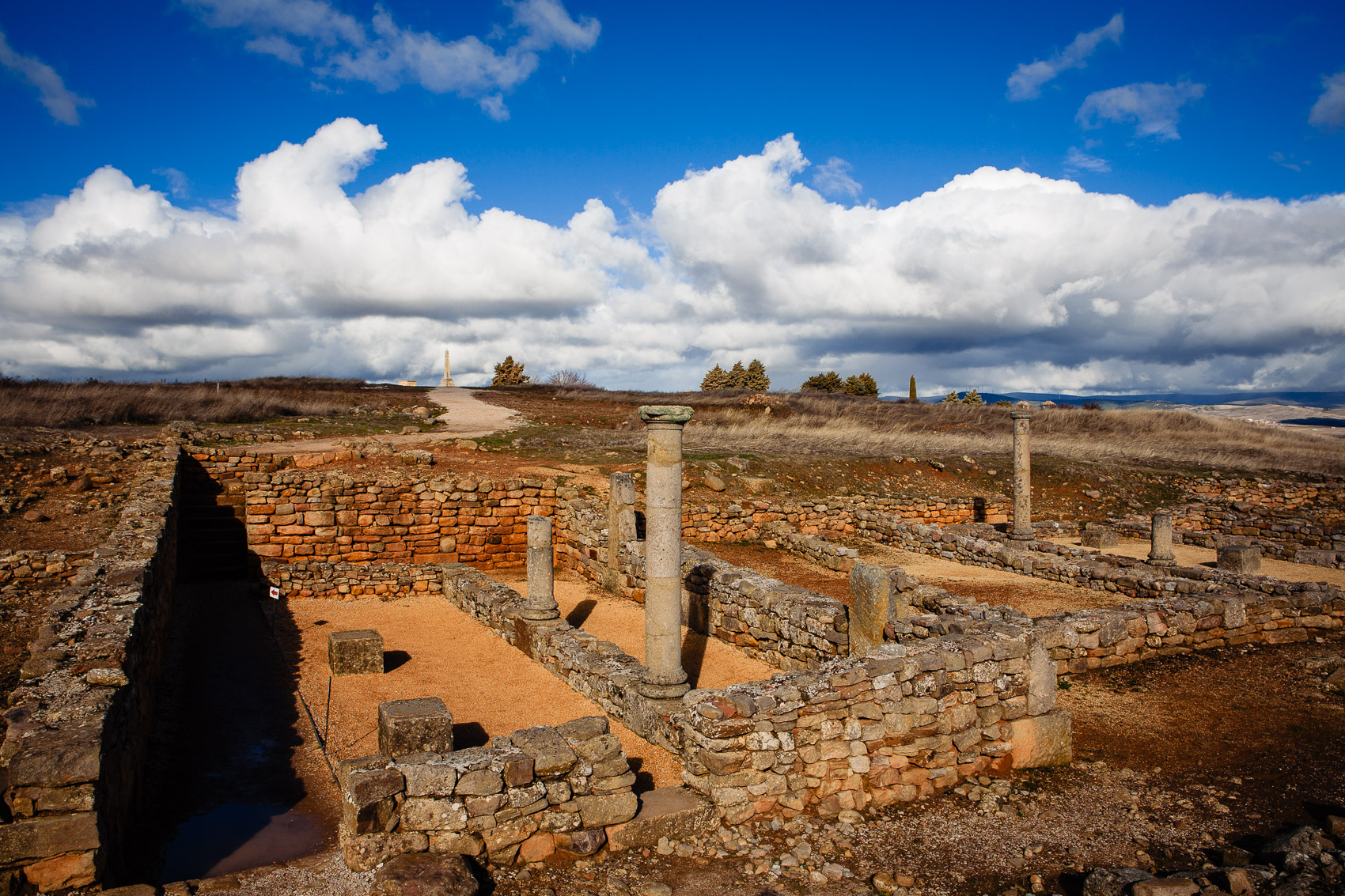
Following the Roman conquest, Numancia underwent significant changes in both its way of life and its architecture. The new Roman houses featured a more sophisticated layout and were built using more durable materials such as stone, brick, and roof tiles.
These dwellings reflect the process of Romanisation, illustrating how Roman building techniques and lifestyles gradually transformed the former Celtiberian city while preserving traces of its earlier past.
Visit Numancia
Visiting Numancia is a journey to one of the most iconic historical sites on the Iberian Peninsula. At this remarkable archaeological site, you can walk through the streets of the ancient Celtiberian city, discover how its inhabitants lived, and understand why Numancia became an enduring symbol of resistance against the power of Rome.
Exploring the site offers a unique opportunity to experience the history, archaeology, and legacy of one of the most celebrated chapters of ancient Hispania.
What You'll See in Numancia

ROMAN ARCHITECTURE

CISTERNS

ROCK-CUT GRANDSTAND

CITY GATES